Story
24 June 2026
United Nations System and Caribbean Governments affirm development partnership under new MSDCF
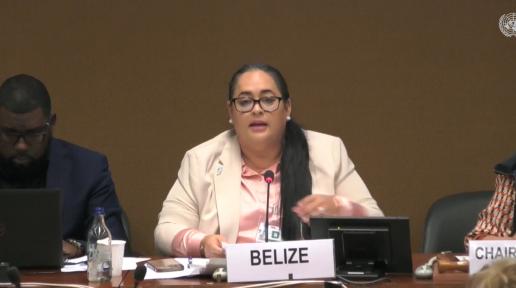
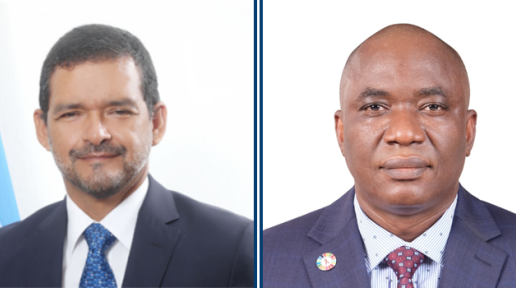
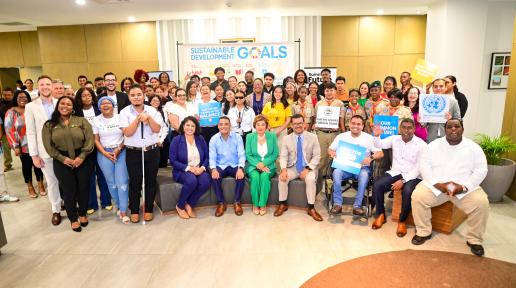
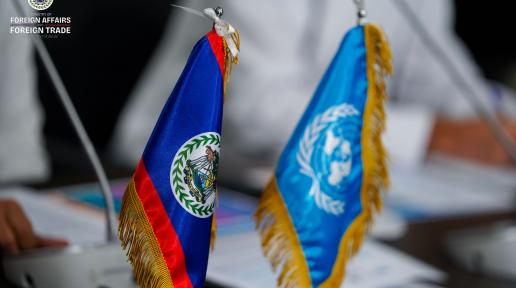
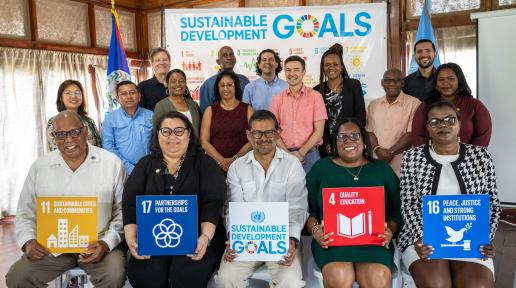
The Framework was presented during the 2026 Annual Coordination Meeting of the United Nations MSDCF for the Caribbean, convened on 16 June 2026. Over the next five years, the new MSDCF will guide coordinated United Nations support to national and regional priorities, helping to accelerate progress toward the Sustainable Development Goals and deliver meaningful results for people and communities across the region.Chaired by Belize, the hybrid meeting brought together Member States, Resident Coordinators, regional partners, and United Nations entities for a focused regional dialogue on results, priorities, and the next chapter of cooperation. Participants reflected on the achievements and lessons of the MSDCF 2022-2026.“With Governments and development partners we have worked together to shape a Multi-Country Cooperation Framework that reflects national priorities and regional aspirations. This Framework is about creating opportunities, strengthening resilience, protecting the most vulnerable, and delivering tangible results in the daily lives of Caribbean citizens.” Mr. Raul Salazar, UN Resident Coordinator for Belize and El Salvador, and Chair of the Regional Steering Committee of the MSDCF.In his remarks, H.E. Oscar Arnold, Chief Executive Officer, Ministry of Foreign Affairs and Foreign Trade of Belize, lauded the partnership between Caribbean governments and the United Nations that underpinned the Cooperation Framework: “The MSDCF has been shaped by the priorities, experiences and aspirations of our countries, and stands as a testament to our collective commitment to build a more resilient, inclusive and prosperous Caribbean.” Guided by the theme, One Caribbean. One Framework. One Future, the 2026 Annual Coordination Meeting placed regional partnership at the center of the conversation. The theme carried a simple and powerful message: the Caribbean shares many of the same challenges and aspirations, and through one shared framework, countries and the United Nations can work together toward a stronger future.Participants also discussed the strategic direction of the MSDCF 2027-2031, which is designed to respond to the Caribbean’s evolving development realities and accelerate progress toward the 2030 Agenda for Sustainable Development. The Framework is organized around two Strategic Pillars. The first, Economic and Ecosystem Resilience, focuses on economic diversification, skills development, and strengthening ecosystem resilience. The second, Future Ready People and Empowered Communities, focuses on integrated services and addressing crime and violence prevention. Together, these pillars speak to stronger economies, protected ecosystems, better access to services, safer communities, and a region better prepared to meet the challenges and opportunities ahead.Through the presentation of the MSDCF 2027-2031, Caribbean governments and the United Nations reaffirmed their commitment to national ownership, regional cooperation, and meaningful results for people, communities, and future generations.The focus now turns to implementation planning, coordination, and delivery under the new Framework, ensuring that regional priorities translate into practical action at the national level across countries.The meeting concluded with a shared commitment, grounded in a common vision, to collective action and partnership in advancing sustainable development across the Caribbean. About the United Nations Caribbean:
The United Nations Caribbean brings together UN agencies, funds and programmes working with governments and regional institutions across the English and Dutch speaking Caribbean. Through the MSDCF, the UN works as one system to support national development priorities, advance the Sustainable Development Goals, and respond to shared regional challenges through coordinated, people centered and results focused cooperation. Media Contacts
Lisa Stanford Jones
Programme Coordinator Associate for the MSDCF
UN Resident Coordinator Office for Belize
lisa.stanfordjones@un.orgCindy Novelo
Foreign Service Officer
Ministry of Foreign Affairs and Foreign Trade
belizemfa@btl.net
The United Nations Caribbean brings together UN agencies, funds and programmes working with governments and regional institutions across the English and Dutch speaking Caribbean. Through the MSDCF, the UN works as one system to support national development priorities, advance the Sustainable Development Goals, and respond to shared regional challenges through coordinated, people centered and results focused cooperation. Media Contacts
Lisa Stanford Jones
Programme Coordinator Associate for the MSDCF
UN Resident Coordinator Office for Belize
lisa.stanfordjones@un.orgCindy Novelo
Foreign Service Officer
Ministry of Foreign Affairs and Foreign Trade
belizemfa@btl.net